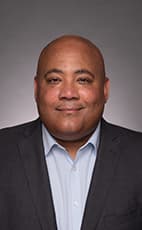
Michael Coteau
In the 90 days to September 18, 2026, 16 organizations lobbied Michael Coteau across 20 meetings — most often about Economic Development. The most frequent visitor was Canadian Canola Growers Association (3 meetings, via their in-house lobbyist Rick White). Its registration describes the goal as “Agricultural trade: multi and bi-lateral trade negotiations to maintain and expand opportunities for canola farmers through reduction in…”. That's more than the average MP, who had 6 meetings over the same period.
Based on federal lobbying registry data to September 18, 2026
In the House · Sep 21–25
Michael Coteau this week
“Bill C-39 is designed to strengthen our economy and to look for ways to build the economy, so that, essentially, it can help everyday Canadians.”
- Spoke 1 time in the House · the average MP spoke 4 times
- FORC-266, second reading — Establish a national framework respecting skilled trades and labour mobility · passed 295–21
Get Michael Coteau's week in your inbox every Monday
What they said, how they voted, and who lobbied them. Free, no ads, unsubscribe anytime.
How Michael Coteau actually voted
Their recorded positions on the issues Canadians care about — pulled straight from the parliamentary record.
- Voted For
Labour & Employment
Establish a national framework respecting skilled trades and labour mobility
C-266 · Sep 2026 · Passed · Tell your MP what you think
- Voted For
Economy & Taxation
Implement certain provisions of the spring economic update tabled in Parliament on April 28, 2026
C-30 · Jun 2026 · Passed · Tell your MP what you think
- Voted For
Housing
Authorize certain payments to be made out of the Consolidated Revenue Fund for the purpose of improving housing supply
C-26 · Jun 2026 · Passed · Tell your MP what you think
- Voted For
Criminal Justice
Hate propaganda, hate crime and access to religious or cultural places
C-9 · Jun 2026 · Passed · Tell your MP what you think
- Voted For
Overall leanings
99%
voted with the Liberal line this Parliament · broke ranks 1×
100%
vote attendance (174/174)
Who’s in Michael’s ear
245
lobbying meetings
160
companies & groups
171
speeches in Parliament
Top lobbying relationship: Canadian Craft Brewers Association — met 8 times · most lobbied on Economic Development.
See who’s lobbying Michael →Who's lobbying Michael
Individual meeting records from the federal lobbying registry
| Date | Organization | |
|---|---|---|
| 2026-09-17 | Hitachi Rail GTS Canada Inc. | |
| 2026-09-16 | Hitachi Rail GTS Canada Inc. | |
| 2026-08-11 | Canada Goose Inc. | |
| 2026-08-10 | Greater Toronto Airports Authority | |
| 2026-08-04 | AluQuebec |
Write to Michael Coteau
Pick what it's about. You'll get a letter you can edit, then send it from your own email.
Other ways to reach Michael
613-992-4211 is the House of Commons switchboard — ask to be connected to your MP's office. For constituency office contact details, or if michael.coteau@parl.gc.ca bounces, visit their Parliament profile.
Committee Memberships
Top Lobbying Clients
Companies with the most meetings with this MP
What Michael talks about
- Strengthening Canada's Immigration System and Borders Act15 speeches · 2025
- Affordable Housing and Groceries Act9 speeches · 2023
- Citizenship Act9 speeches · 2025
- Criminal Code8 speeches · 2021–2025
- Budget Implementation Act, 2023, No. 17 speeches · 2023
Recent Speeches
Mr. Speaker, Bill C-39 is designed to strengthen our economy and to look for ways to build the economy, so that, essentially, it can help everyday Canadians. In my riding of Scarborough—Woburn, I have people coming into my office all the time, talking about the challenges of life. Affordability is a… Read full speechShow less
Mr. Speaker, Bill C-39 is designed to strengthen our economy and to look for ways to build the economy, so that, essentially, it can help everyday Canadians. In my riding of Scarborough—Woburn, I have people coming into my office all the time, talking about the challenges of life. Affordability is a real issue. I want to ask the Leader of the Opposition why, when he was given the opportunity to support programs like the groceries and essentials benefit, which actually puts food on people's table, the child benefit, dental care, pharmacare and lunch programs for kids, which actually put food in the classroom for kids, when he was given the chance to vote to support everyday Canadians, at every single opportunity, he voted against them.
Mr. Speaker, the member did mention just fighting hate, and he mentioned anti-hate legislation. A proposed change came through the Senate to include the noose as a hate symbol, which the Conservatives have voted against. Can you tell the House why it is important for us to put in place hate legislat… Read full speechShow less
Mr. Speaker, the member did mention just fighting hate, and he mentioned anti-hate legislation. A proposed change came through the Senate to include the noose as a hate symbol, which the Conservatives have voted against. Can you tell the House why it is important for us to put in place hate legislation and, more specifically, to fight against these hate symbols here in Canada?
Mr. Speaker, I appreciate the opportunity to speak on behalf of the people of Scarborough—Woburn and on behalf of families and patients across this country, people who have suffered from sickle cell. It is a great honour to channel their voice here in this great chamber. We have heard a lot about pa… Read full speechShow less
Mr. Speaker, I appreciate the opportunity to speak on behalf of the people of Scarborough—Woburn and on behalf of families and patients across this country, people who have suffered from sickle cell. It is a great honour to channel their voice here in this great chamber. We have heard a lot about paperwork. We have heard a lot about transparency. We have heard a lot about the mechanics of how government works. We have heard a lot about jurisdiction. I want to bring it back to the patient. I want to take a few moments to describe what a patient actually goes through when they are suffering from sickle cell. I am not sure if members know how it works, but a cell moves through a blood vessel. It goes into smaller parts of the blood vessel, and when it does not get through, it starts to build up and cause pain. When I talk to an actual patient of sickle cell and ask them to describe how that pain feels, they say it is a throbbing, sharp, stabbing pain. It almost feels like their bones are being broken. It feels like they are being crushed. This is how they describe it. Sometimes it is a few days to two-plus weeks of pain, where their bones feel like they are being crushed. That is, of course, in a very severe case. It takes sometimes weeks to recover. People are just exhausted, and it takes away several weeks of their lives, because of the pain. Historically, people who have suffered from sickle cell in this country and other countries around the world have been ignored. Sickle cell has been entangled with racism. There has been a lack of research applied to studying this particular disease and a lack of knowledge that doctors and people within the health care system have been provided. For people in Canada who have been waiting for services, when they go into an actual crisis, it is reported that they wait 25% longer, because the health care system cannot even identify, in many cases, what is wrong with them. This disease usually impacts people who have darker skin: people from the Middle East, people from the Caribbean, South Asians and people from Africa. As such, traditionally, it has been entangled with racism. The interesting thing is that there are actually solutions. There is a cure for sickle cell. Here we are today, in Canada, where there is a disease impacting several thousand people, that we know of, and there is a cure, yet there are people in our system, Canadians, who are living with this disease. It is very difficult for them to work and it is very difficult for them to live normal lives, and they go through pain that is just unbelievable. We have an opportunity here as members of Parliament, a unique opportunity. We have an opportunity to move this bill forward and send it to committee so we can discuss items like how we improve the system and how we look at the jurisdictional component. Of course the provinces and the territories are the ones that have jurisdiction over health care, but we have an opportunity as a House to provide leadership to help build a system right across this country to better the lives of so many Canadians. I want to thank every single member in the House for their words today. I do believe we are all on the same page, and that page is to make sure that we do everything we can as members of Parliament in the House to protect and better the lives of all Canadians.
Mr. Speaker, I ask that it pass on division.
Mr. Speaker, I have the honour to present, in both official languages, the fourth report of the Standing Committee on Agriculture and Agri-Food, entitled “Science in Canadian Agriculture and the Closure of Research Centres”. Pursuant to Standing Order 109, the committee requests that the government … Read full speechShow less
Mr. Speaker, I have the honour to present, in both official languages, the fourth report of the Standing Committee on Agriculture and Agri-Food, entitled “Science in Canadian Agriculture and the Closure of Research Centres”. Pursuant to Standing Order 109, the committee requests that the government table a comprehensive response to this report.
Bills Sponsored
Recent activity
25 activities across speeches, bills, and lobbying communications.
September 2026
Government Orders
Mr. Speaker, Bill C-39 is designed to strengthen our economy and to look for ways to build the economy, so that, essentially, it can help everyday Canadians. In my riding of Scarborough—Woburn, I have… Read full speechShow less
Mr. Speaker, Bill C-39 is designed to strengthen our economy and to look for ways to build the economy, so that, essentially, it can help everyday Canadians. In my riding of Scarborough—Woburn, I have people coming into my office all the time, talking about the challenges of life. Affordability is a real issue. I want to ask the Leader of the Opposition why, when he was given the opportunity to support programs like the groceries and essentials benefit, which actually puts food on people's table, the child benefit, dental care, pharmacare and lunch programs for kids, which actually put food in the classroom for kids, when he was given the chance to vote to support everyday Canadians, at every single opportunity, he voted against them.
June 2026
Government Orders
Mr. Speaker, the member did mention just fighting hate, and he mentioned anti-hate legislation. A proposed change came through the Senate to include the noose as a hate symbol, which the Conservatives… Read full speechShow less
Mr. Speaker, the member did mention just fighting hate, and he mentioned anti-hate legislation. A proposed change came through the Senate to include the noose as a hate symbol, which the Conservatives have voted against. Can you tell the House why it is important for us to put in place hate legislation and, more specifically, to fight against these hate symbols here in Canada?
Private Members' Business
Mr. Speaker, I appreciate the opportunity to speak on behalf of the people of Scarborough—Woburn and on behalf of families and patients across this country, people who have suffered from sickle cell. … Read full speechShow less
Mr. Speaker, I appreciate the opportunity to speak on behalf of the people of Scarborough—Woburn and on behalf of families and patients across this country, people who have suffered from sickle cell. It is a great honour to channel their voice here in this great chamber. We have heard a lot about paperwork. We have heard a lot about transparency. We have heard a lot about the mechanics of how government works. We have heard a lot about jurisdiction. I want to bring it back to the patient. I want to take a few moments to describe what a patient actually goes through when they are suffering from sickle cell. I am not sure if members know how it works, but a cell moves through a blood vessel. It goes into smaller parts of the blood vessel, and when it does not get through, it starts to build up and cause pain. When I talk to an actual patient of sickle cell and ask them to describe how that pain feels, they say it is a throbbing, sharp, stabbing pain. It almost feels like their bones are being broken. It feels like they are being crushed. This is how they describe it. Sometimes it is a few days to two-plus weeks of pain, where their bones feel like they are being crushed. That is, of course, in a very severe case. It takes sometimes weeks to recover. People are just exhausted, and it takes away several weeks of their lives, because of the pain. Historically, people who have suffered from sickle cell in this country and other countries around the world have been ignored. Sickle cell has been entangled with racism. There has been a lack of research applied to studying this particular disease and a lack of knowledge that doctors and people within the health care system have been provided. For people in Canada who have been waiting for services, when they go into an actual crisis, it is reported that they wait 25% longer, because the health care system cannot even identify, in many cases, what is wrong with them. This disease usually impacts people who have darker skin: people from the Middle East, people from the Caribbean, South Asians and people from Africa. As such, traditionally, it has been entangled with racism. The interesting thing is that there are actually solutions. There is a cure for sickle cell. Here we are today, in Canada, where there is a disease impacting several thousand people, that we know of, and there is a cure, yet there are people in our system, Canadians, who are living with this disease. It is very difficult for them to work and it is very difficult for them to live normal lives, and they go through pain that is just unbelievable. We have an opportunity here as members of Parliament, a unique opportunity. We have an opportunity to move this bill forward and send it to committee so we can discuss items like how we improve the system and how we look at the jurisdictional component. Of course the provinces and the territories are the ones that have jurisdiction over health care, but we have an opportunity as a House to provide leadership to help build a system right across this country to better the lives of so many Canadians. I want to thank every single member in the House for their words today. I do believe we are all on the same page, and that page is to make sure that we do everything we can as members of Parliament in the House to protect and better the lives of all Canadians.
Private Members' Business
Mr. Speaker, I ask that it pass on division.
May 2026
Routine Proceedings
Mr. Speaker, I have the honour to present, in both official languages, the fourth report of the Standing Committee on Agriculture and Agri-Food, entitled “Science in Canadian Agriculture and the Closu… Read full speechShow less
Mr. Speaker, I have the honour to present, in both official languages, the fourth report of the Standing Committee on Agriculture and Agri-Food, entitled “Science in Canadian Agriculture and the Closure of Research Centres”. Pursuant to Standing Order 109, the committee requests that the government table a comprehensive response to this report.
Routine Proceedings
moved for leave to introduce Bill C-277, an Act to provide for the regulation of the online use of deepfakes and for related transparency measures. Mr. Speaker, AI is advancing quickly, and more risks… Read full speechShow less
moved for leave to introduce Bill C-277, an Act to provide for the regulation of the online use of deepfakes and for related transparency measures. Mr. Speaker, AI is advancing quickly, and more risks are emerging for Canadians. Deepfakes can now create highly realistic images, videos and audio that falsely represent a person without their knowledge or consent. These tools can be used for fraud, identity theft, harassment, intimidation and other forms of abuse, causing serious emotional, reputational and financial harm. At its core, this bill is about a simple principle. People should have control over their own image, voice and face. No one should have their identity digitally copied, manipulated or used in a way that misrepresents or exploits them. Canadians deserve transparency, accountability and trust online. This bill would help Canadians feel that their dignity, privacy and personal autonomy are safe in a digital age. It would require online platforms to identify deepfakes, create user reporting mechanisms, clearly label deepfake content and take reasonable steps to prevent and remove harmful deepfakes. We know technology is advancing quickly. Let us ensure that the rights and dignity of all Canadians are not being outpaced by that growth. (Motions deemed adopted, bill read the first time and printed)
C-277 — Regulating the Online Use of Deepfakes Act
View bill details →April 2026
Statements by Members
Mr. Speaker, today I am so proud to rise to congratulate the newest inductees to the Scarborough Walk of Fame. This year's honourees are Trevor Godinho for arts and culture, Jesse Asido for business, … Read full speechShow less
Mr. Speaker, today I am so proud to rise to congratulate the newest inductees to the Scarborough Walk of Fame. This year's honourees are Trevor Godinho for arts and culture, Jesse Asido for business, Geetha Moorthy and John and Cathy Phillips for their community work, Andre De Grasse for his sports efforts, Stan Farrow and Dr. Malloy for education, and Fefe Dobson for entertainment. Each of these remarkable individuals has demonstrated excellence, leadership and a deep commitment to giving back. Their contributions have left a lasting and positive impact in our community. Scarborough is so proud of them. They reflect the best of our community and indeed the best of Canada. I thank all this year's recipients for inspiring us to dream bigger, to give back and to continue to build a stronger, more vibrant Scarborough.
Routine Proceedings
Mr. Speaker, I have the honour to present, in both official languages, the third report of the Standing Committee on Agriculture and Agri-Food, entitled “Structural Challenges in Canada's Beef and Por… Read full speechShow less
Mr. Speaker, I have the honour to present, in both official languages, the third report of the Standing Committee on Agriculture and Agri-Food, entitled “Structural Challenges in Canada's Beef and Pork Supply Chains: Toward Greater Food Sovereignty”. Pursuant to Standing Order 109, the committee requests that the government table a comprehensive response to this report.
Government Orders
Mr. Speaker, I want to add to what the Liberal member on this side was asking. What ideas does the member have? What amendments would you bring forward? We hear a lot of criticism from the Conservativ… Read full speechShow less
Mr. Speaker, I want to add to what the Liberal member on this side was asking. What ideas does the member have? What amendments would you bring forward? We hear a lot of criticism from the Conservatives constantly. We want to hear what amendments and ideas they would bring forward.
Private Members' Business
moved that Bill S-201, An Act respecting a national framework on sickle cell disease, be read the second time and referred to a committee. Mr. Speaker, it is always an honour to rise in this House to … Read full speechShow less
moved that Bill S-201, An Act respecting a national framework on sickle cell disease, be read the second time and referred to a committee. Mr. Speaker, it is always an honour to rise in this House to speak on behalf of constituents of Scarborough—Woburn. Today I am also speaking on behalf of the many families and individuals who are impacted by sickle cell disease right across this country, and reflect on some of the pain and challenges that they go through. I would like to thank the member for Ottawa Centre for seconding the second reading of this bill. I would also like to recognize an advocate, Biba Tinga, who is joining us here today. This legislation comes from the other place, from Senator Mégie and also Senator Ince. They brought this proposed piece of legislation forward to this House. It is an honour for me to be able to speak on behalf of the tens of thousands of community members across this country who support this. I also want to acknowledge the role of parliamentary Black caucus members from the Senate and the House of Commons who have been working on this issue for many years. I would like to thank both senators for their leadership and compassion. If this bill is passed, it will make a significant, positive difference in the lives of thousands of Canadians across this country. For far too long, sickle cell disease has had a negative impact on too many Canadians. Bill S-201 represents a massive opportunity to improve the lives of Canadians today and in the future. This disease is life-threatening. It often has the ability to reduce someone's life by up to 30 years. There are 6,000 Canadians who are suffering from this disease today. It disproportionately impacts people of African and Caribbean descent. It also impacts people of Middle Eastern and South Asian descent and members of racialized communities. Due to its genetic nature, the disease affects every single part of the body. A person with sickle cell disease is highly vulnerable to organ failure and abnormal lung function, as well as loss of vision. Sickle cell disease also causes extreme pain. In many instances, it requires long visits to the hospital. When a person is in a crisis, in an episode, the illness affects patients' daily lives. This severe pain requires very strong painkillers to mitigate the pain. Often those suffering from sickle cell are stigmatized and labelled as drug-seekers. Far too often, their pain is dismissed, and they are subject to unfair treatment, labelling and judgment. Additionally, people with sickle cell disease do not suffer alone. Their families suffer. When there is an absence of adequate health care providers, the families take on the role as caregivers. Besides the emotional toll of watching their loved ones suffer, all of these factors put a high strain on caregiving family members to be in a constant state of readiness since a crisis can happen at any given moment. Due to the nature of this disease, many patients and family members suffer from employment instability, and they find themselves carrying the weight on their shoulders alone. Alarmingly, sickle cell disease does not qualify for the appropriate benefits within our Canadian system, such as the disability tax credit. With many patients or their families navigating unemployment due to the illness, the cost grows quickly, both financially and psychologically. This is very troubling, especially because people who suffer from sickle cell disease normally come from low-income neighbourhoods. Some 41% of those who suffer from sickle cell disease live in the lowest-income neighbourhoods in the country, amounting to roughly triple the rate of the general population. As such, many with sickle cell disease face barriers ranging from decreased educational opportunities, lack of financial stability due to the risk of work termination, issues with obtaining accommodation, lack of recognition of a disability and exclusion from many government programs. This ends up causing an ongoing cycle that disproportionately impacts our society's most vulnerable communities. It is crucial that health care professionals be able to recognize the symptoms and respond accordingly. Unfortunately, too many frontline health care professionals lack the professional awareness and knowledge in identifying and treating the disease. Moreover, access to specialized health care remains heavily dependent on geography, with services fragmented right across the country. These issues extend beyond hospitals because they are rooted in the system and institutional barriers that exist. This is specifically true in the case of blood donation requirements for the long-term treatment of sickle cell. We need more donors to meet blood demands. As the complexity of this illness increases, there is a need for donors of African and Caribbean descent to make those donations, as they are most likely compatible. However, Canada permanently bans donations from individuals who have had malaria or who have recently visited countries where there are high cases of malaria, unlike countries like the United States, the United Kingdom and France, which instead impose temporary deferral programs. This disproportionately affects Canadians of African and Caribbean descent, the very communities that need these types of blood donations the most. Now is the time for members of this House to support a national framework for sickle cell disease in this country. Bill S-201 proposes a comprehensive national framework to improve how Canada understands the diagnosis and treats sickle cell disease. At its core, the bill is about coordination rather than duplication. It is about consistency rather than patchwork. It calls for the federal government to work collaboratively with provinces and territories, health care providers, researchers, experts and community organizations to ensure that patients receive timely, evidence-based and compassionate care, no matter where they live. In addition, the bill pushes for a national standard of care and universal newborn screening across the country, recognizing that early diagnosis, consistent treatment and equal access to care can significantly improve the outcomes and prevent avoidable complications. Bill S-201 also looks beyond the clinical setting. It recognizes the need for public awareness and anti-stigma campaigns to reduce misinformation, support families and encourage community participation in areas such as blood donation and peer support. The bill highlights the importance of a more diversified blood supply, especially since many patients benefit from closely matched blood donations from people of African and Caribbean descent. It also addresses the financial realities of living with sickle cell disease by calling for stronger financial supports, better disability recognition and more equitable access to medication, so that treatment is not determined by postal code or one's ability to pay. Ultimately, the urgency of this bill cannot be overstated. Sickle cell disease is a severe and life-altering condition, yet it has long been marginalized and systematically neglected, despite being one of the most common genetic diseases in the world. Bill S-201 is an important step toward correcting that neglect, and building a more fair, coordinated and humane system for patients and families across our country. I would like to take a moment to recognize some of the many people who, for the last many decades, have been looking for ways to mitigate the impact of sickle cell disease and build better lives for Canadians. I would like to thank those who have worked on this topic in this House. There have been tireless advocates like Kirsty Duncan, who unfortunately passed away earlier this year. She was a strong advocate for this issue. Her torch was carried by the Hon. Jane Cordy, who introduced Bill S-211, which called for the designation of June 19 as National Sickle Cell Awareness Day. There is also the member for Dartmouth—Cole Harbour. He was the one who sponsored that bill in this House. The bill was passed and it has been law now for almost a decade. I want to thank some community members, but before I do that, I want to say that there have been literally hundreds, if not thousands, of people who have added to this effort over the last four decades, in Ontario and across the country. I wanted to take a moment to speak about a few people who have gone above and beyond. Outside the government, there are folks like Biba Tinga, as I said, who is with us today. She is the president of the Sickle Cell Disease Association of Canada and one of the main drivers of the bill. I want to recognize her work. For more than a decade, she has been advocating for better treatment, more options for patients and families, and stronger public understanding of the disease. Her work is focused not just on the medical component. It is also focused on looking for ways to deal with the everyday realities that people go through, including stigma, employment disruption, mental health pressures and, of course, financial strain. As members may know, I served as a member of the Ontario legislature for 10 years. While I was there, I met many advocates from the Ontario side who worked for decades to better the lives of Canadians suffering from sickle cell disease. I want to recognize the work of the Sickle Cell Awareness Group of Ontario, specifically Lanre Tunji-Ajayi, who has been raising awareness and has been advocating for better screening and care and a better public understanding of sickle cell disease within the community and within government. I have to take a moment to recognize the extraordinary work of Nurse Dotty Nicholas. She has done incredible work in Ontario. She was awarded the Order of Ontario in 2010, and in 2006 she worked with the Ontario government, with then premier Dalton McGuinty, to put in place screening in Ontario that has been replicated right across the country. I want to thank TAIBU Community Health Centre and its executive director, Liben, for the extraordinary work they are doing in this area. They are looking for ways to focus on prevention, restoration and advancement. Their work with the Sickle Cell Association of Ontario develops specialized community-based care and improved access to genetic counselling and primary care. Finally, I want to take a moment to thank one of the pioneers of all this work, the late Lillie Johnson, who advocated for decades for the screening of newborns. The bill is about fairness. It is about correcting the mistakes of the past. Systemic barriers were put in place, and people suffering from this very common genetic disease were not provided with the right types of tools necessary to advance themselves in a fair way in society when it came to employment, benefits and medication. I have met many people who suffer from sickle cell disease. I have known people growing up in my community who have passed away from the disease. In fact, people very close to me have suffered and passed away from this disease. It is a very devastating disease. When people go into an episode, they can hardly move their body. The pain is so strong, and they do not know when it is going to hit. As Canadians, when talking about one of the most common rare diseases that exist in the world, we can do a better job, and the leadership is going to start in the House. If we pass the national framework for sickle cell disease, we would have the opportunity to build a better life for thousands of Canadians directly and indirectly through their networks, communities and families, and strengthen the ability for people to build themselves up, do exactly what they want to do, contribute as much as they can to build this beautiful country and make it an even better place. One of the highlights of my political career has been to introduce and speak to this bill. I want to thank all members of the House for listening today and thank all those who will support it. I appreciate their time.
Private Members' Business
Mr. Speaker, obviously the member has done his homework, and I appreciate that. This is a disease that has often been neglected. My father tells me that back in Grenada, 40 or 50 years ago, they were … Read full speechShow less
Mr. Speaker, obviously the member has done his homework, and I appreciate that. This is a disease that has often been neglected. My father tells me that back in Grenada, 40 or 50 years ago, they were using, and this is not a joke, leeches and blood sucking in order to try to figure out what was going on. The disease has had a short history in medicine when it comes to main medicine practices. We are at a stage right now where the scientific revolution that is taking place with so much change provides us with such an opportunity to actually focus on a disease that, even within the rare diseases that exist, traditionally has not been given the opportunity to be studied, researched and invested into. The bill would provide us with an opportunity to do much better and especially align it with the science and technology to improve the lives of so many Canadians, because the medicine is out there.
Private Members' Business
Mr. Speaker, I would like to thank the member for recognizing the seriousness of this disease. The fact is that some provinces and territories are doing great things and some are not doing as much as … Read full speechShow less
Mr. Speaker, I would like to thank the member for recognizing the seriousness of this disease. The fact is that some provinces and territories are doing great things and some are not doing as much as they possibly could. There is a huge opportunity to build a national network that would not only do the research, but collectively collect the data. As they say, if there is no data, there is no problem. We do not even know the statistics across the country. There has to be a national framework to bring all of that together, to build better educational programs and to share best practices. This is never, ever about taking anything away from the provinces. It is about giving the provinces the ability to share and enhance what they are currently doing.
Private Members' Business
Mr. Speaker, we had a recent town hall in Scarborough at Markham Road and the 401 at Global Kingdom Ministries. We held a community forum there, and we had many people, 100-plus people, come in from t… Read full speechShow less
Mr. Speaker, we had a recent town hall in Scarborough at Markham Road and the 401 at Global Kingdom Ministries. We held a community forum there, and we had many people, 100-plus people, come in from the region to talk about this. People told us stories about what they go through in their lives. My friend refers to them as warriors, folks who tell their personal stories. Members can imagine being a young person who has just finished university, 21 years old, at the top of their game, but they do not know when the next episode is going to come. This is about making sure that we put in place the right types of processes to allow people to reach their full potential, and that is good for Canada.
March 2026
Statements by Members
Mr. Speaker, I rise today to honour the life of Donald Rickerd, a distinguished Canadian whose contributions to law education and public service left a lasting impact on our country. Don Rickerd studi… Read full speechShow less
Mr. Speaker, I rise today to honour the life of Donald Rickerd, a distinguished Canadian whose contributions to law education and public service left a lasting impact on our country. Don Rickerd studied at Queen's, Oxford and Osgoode Hall. He practised law and served as a faculty member and administrator at York University. He later served as president of the William H. Donner Foundation and the Donner Canadian Foundation and participated in charitable and community work across the country. As a member of the McDonald commission, he helped strengthen accountability in matters of national security. Beyond his formal achievements, Don was known for his generosity, intellectual curiosity and deep commitment to his students. A gifted storyteller and a warm presence, he built connections across generations and disciplines. On behalf of the House, I extend my sincere condolences to his wife Julie, his son Christopher and all those whose lives were enriched by his kindness and wisdom.
Government Orders
Mr. Speaker, I am wondering if the member has spoken to anyone in the agricultural sector about this enhanced trade deal with the U.K., and if so, what opportunities they have identified and what thei… Read full speechShow less
Mr. Speaker, I am wondering if the member has spoken to anyone in the agricultural sector about this enhanced trade deal with the U.K., and if so, what opportunities they have identified and what their position is on this overall.
February 2026
House of Commons
120 communications with 86 clients
Top clients: [{"name": "National Council of Canadian Muslims (NCCM)", "count": 6}, {"name": "…
House of Commons
40 communications with 32 clients
Top clients: [{"name": "Coalition of Canadian Independent Craft Brewers", "count": 7}, {"name…
Statements By Members
Mr. Speaker, it gives me great pleasure to rise in the House today to mark Black History Month, to honour Black excellence, resilience and brilliance across our great country. This year, 2026, marks 3… Read full speechShow less
Mr. Speaker, it gives me great pleasure to rise in the House today to mark Black History Month, to honour Black excellence, resilience and brilliance across our great country. This year, 2026, marks 30 years since Black History Month was formally recognized in the House. However, we know that Black history goes back centuries here in what we call Canada. From early settlers to abolitionists, community leaders, artists, athletes, entrepreneurs, public servants and politicians, Black Canadians have touched all parts of Canada's history and continue to shape this great country. Black History Month is a time not only to reflect on our past but to celebrate our achievements and recommit to building a future rooted in equity, inclusion and opportunity for all. This month and every month, we recognize Black History Month here in this great country, Canada.
Oral Questions
Mr. Speaker, as members of Parliament we have a responsibility to help build an economy where everyone has the opportunity to find success. While some Conservatives continue to dismiss diversity, equi… Read full speechShow less
Mr. Speaker, as members of Parliament we have a responsibility to help build an economy where everyone has the opportunity to find success. While some Conservatives continue to dismiss diversity, equity and inclusion, the government knows that empowering under-represented entrepreneurs strengthens communities and helps build a stronger Canada. As we mark the beginning of Black History Month, can the minister responsible for small business speak to the government's programs to support Black entrepreneurs and help start and grow their businesses?
January 2026
Routine Proceedings
Madam Speaker, I have the honour to present, in both official languages, the second report of the Standing Committee on Agriculture and Agri-Food, entitled “Protecting Canada's poultry industry: for a… Read full speechShow less
Madam Speaker, I have the honour to present, in both official languages, the second report of the Standing Committee on Agriculture and Agri-Food, entitled “Protecting Canada's poultry industry: for a better control of spent fowl imports into Canada”.
Government Orders
Mr. Speaker, there is no question that if we speak to Canadians, to folks in Scarborough—Woburn, that they will tell us violence and crime are changing constantly. Bill C-16 is about realigning our re… Read full speechShow less
Mr. Speaker, there is no question that if we speak to Canadians, to folks in Scarborough—Woburn, that they will tell us violence and crime are changing constantly. Bill C-16 is about realigning our realities today to take on the challenges that we have when it comes to crime and violence. For some reason, it seems the Conservatives want to delay and hold up these types of bills that I would say the majority of Canadians, probably 99.9% of all Canadians, agree with. Why does the member think the Conservatives are holding up such an important piece of legislation in the House of Commons?
Government Orders
Mr. Speaker, there is no question that crime and violence are changing all the time with the introduction of technology. We know that this bill embeds pieces around deepfakes and different online prot… Read full speechShow less
Mr. Speaker, there is no question that crime and violence are changing all the time with the introduction of technology. We know that this bill embeds pieces around deepfakes and different online protections. Has the member had conversations with people in her community about any of the provisions within this bill, and what were those conversations like?
December 2025
House of Commons
14 communications with 8 clients
Top clients: [{"name": "WoodGreen Community Services", "count": 6}, {"name": "Joint Electrica…